Silver Miners ETF: SIL and Why Equity Exposure to Silver Mining Companies Makes Sense in a Long-Term Portfolio
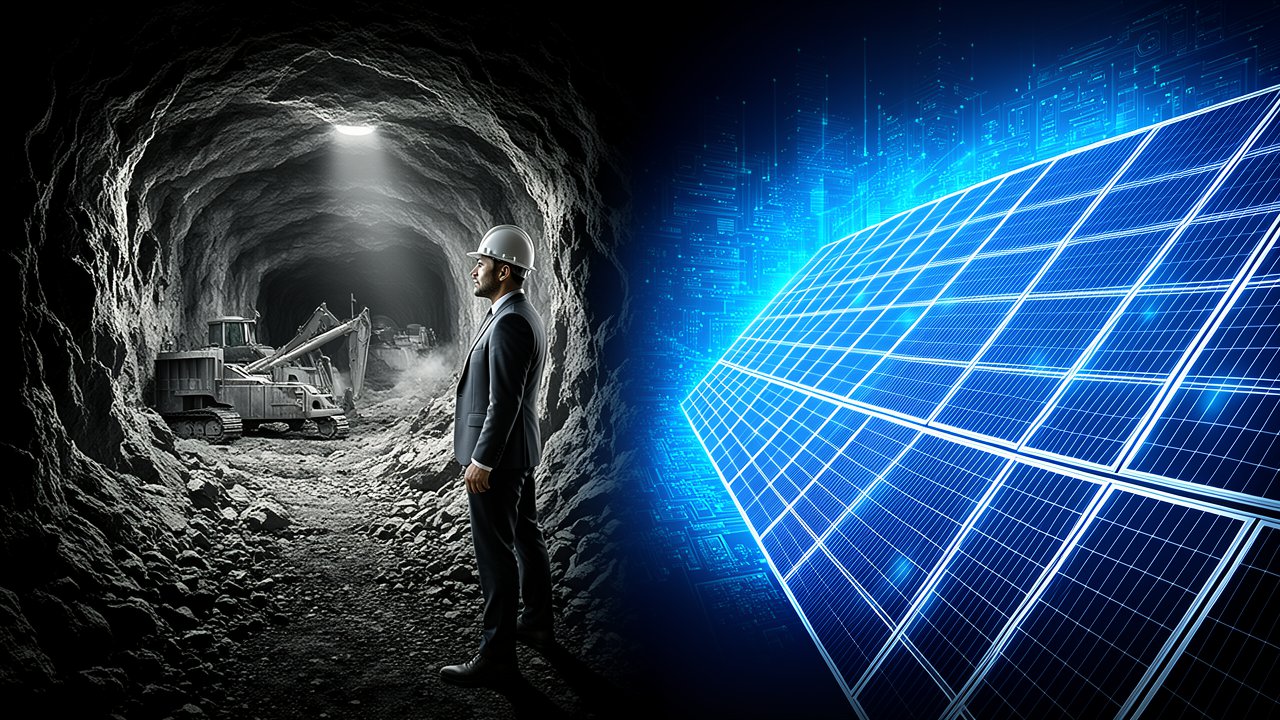
Silver has always had this split personality. On one side it's a monetary metal people hoard in uncertain times. On the other it's a critical industrial input for solar panels, electronics, and EVs. That tension creates opportunity, and for ETF investors the cleanest way to play the mining side of the story is through a silver miners ETF.
The dominant option in this niche is the Global X Silver Miners ETF (SIL). It doesn't hold physical bars of silver. Instead it owns a basket of companies that actually dig the stuff out of the ground. If you believe industrial demand will keep pushing silver higher over the next decade or two, this is one of the most direct equity vehicles available.
How the Main Silver Miners ETF Actually Works
SIL launched back in 2010 and tracks the Solactive Global Silver Miners Total Return Index. The goal is simple: deliver the price and yield performance of a broad group of silver mining companies before fees. As of late May 2026 the fund holds about 40 names, with nearly all assets in basic materials stocks.
The biggest positions right now include Wheaton Precious Metals at roughly 21%, Pan American Silver around 13%, and Coeur Mining just over 10%. You also get exposure to First Majestic, Hecla, Fresnillo, and a handful of royalty or streaming names that smooth out some of the pure mining volatility. It's global too — Canada, Mexico, Peru, and even a bit of Europe and Asia show up in the mix.
Expense ratio sits at 0.65%, which feels reasonable once you factor in the active selection and international custody costs. Assets under management have grown to about $5.22 billion, so liquidity is solid and the bid-ask spread stays tight.
Recent Performance and What the Numbers Actually Tell Us
The last twelve months have been wild. As of May 29, 2026, SIL posted a one-year total return right around 130% on a NAV basis. That's the kind of move that gets attention, and it lines up with silver's own surge driven by solar and electronics demand.
Longer term the picture is more measured. The three-year annualized return sits near 45%, five-year around 19%, and ten-year closer to 15%. Those aren't straight-line numbers — silver miners are volatile by nature. One strong year doesn't erase the drawdowns that came before. Still, the recent run shows how leveraged these equities can be when the underlying metal catches fire.
Compare that to physical silver ETFs like iShares Silver Trust (SLV) and the story shifts. SLV simply tracks the spot price of silver bullion. Lower expense ratio at 0.50%, but no dividends and no operating leverage. When silver rises 20%, SLV rises roughly 20%. SIL and its peers can move 30-50% or more on the same move because mining margins expand fast once prices clear certain thresholds. The flip side is brutal when silver corrects.
Silver Miners ETF vs Physical Silver: Which One Actually Fits Your Goals
A lot of people ask whether they should just buy the metal or go the equity route. Honestly, it depends on your time horizon and stomach for swings.
Physical silver ETFs give you pure commodity exposure with almost zero company-specific risk. Great if you want a simple diversifier that doesn't care about management decisions or rising extraction costs.
A silver miners ETF like SIL adds another layer. You're betting not only on higher silver prices but on the companies' ability to turn that into profits. That extra beta has delivered stronger returns in strong silver environments, but it also brings emerging-market political risk, labor issues, and capex surprises. Many of the top holdings operate in jurisdictions where rules can change overnight.
There's also SILJ, the Amplify Junior Silver Miners ETF. It targets smaller, higher-growth names and carries a slightly higher 0.69% fee. Same idea as SIL but dialed up — more upside potential, more downside pain. Some investors split between the two: SIL for the steadier large producers, SILJ for the aggressive satellite position.
The Risks Nobody Likes to Talk About
Let's be real. These funds swing hard. Standard deviation around 36% over recent periods isn't unusual. Beta to broader markets sits above 1.0 in many windows, and when risk-off hits, silver miners often get sold first regardless of fundamentals.
Currency moves matter too. A lot of revenue comes in USD but costs land in local currencies. Geopolitical flare-ups in key producing regions can wipe out months of gains overnight. And silver itself remains sensitive to interest rates and the dollar — exactly the things that can derail even the best industrial demand story.
On top of that, the sector isn't exactly cheap on valuation right now after the big run-up. Forward multiples have expanded. That doesn't mean it's over, but it does mean future returns will depend more on earnings growth than multiple expansion.
Where a Silver Miners ETF Fits in a Calm, Diversified ETF Portfolio
I'm not the type to recommend chasing the hot sector of the month. My clients build simple, low-cost core portfolios first — broad equity, bond, and international ETFs — then add satellite positions only when the thesis is clear and the allocation stays small.
For someone already comfortable with 5-10% in precious metals or commodities, carving out a slice for SIL (or a combination of SIL and SILJ) can make sense if you have a multi-year view on silver's industrial role. The green-energy buildout isn't a one-year story. Solar demand alone is projected to keep growing for the rest of this decade and beyond.
Just remember the math. Even a strong 130% year doesn't change the fact that most wealth is built by staying invested through cycles, not by perfectly timing entries. A silver miners ETF is a tool, not a magic bullet.
At the end of the day, if silver's dual demand story continues to unfold, owning a piece of the companies that produce it through an ETF like SIL gives you equity leverage without having to store bars in a vault. But size the position appropriately, rebalance when it gets too big, and keep the rest of your portfolio boring and diversified.
Time in the market beats timing the market.
