Precious Metal ETFs: Adding Gold and Silver Exposure to Your ETF Portfolio
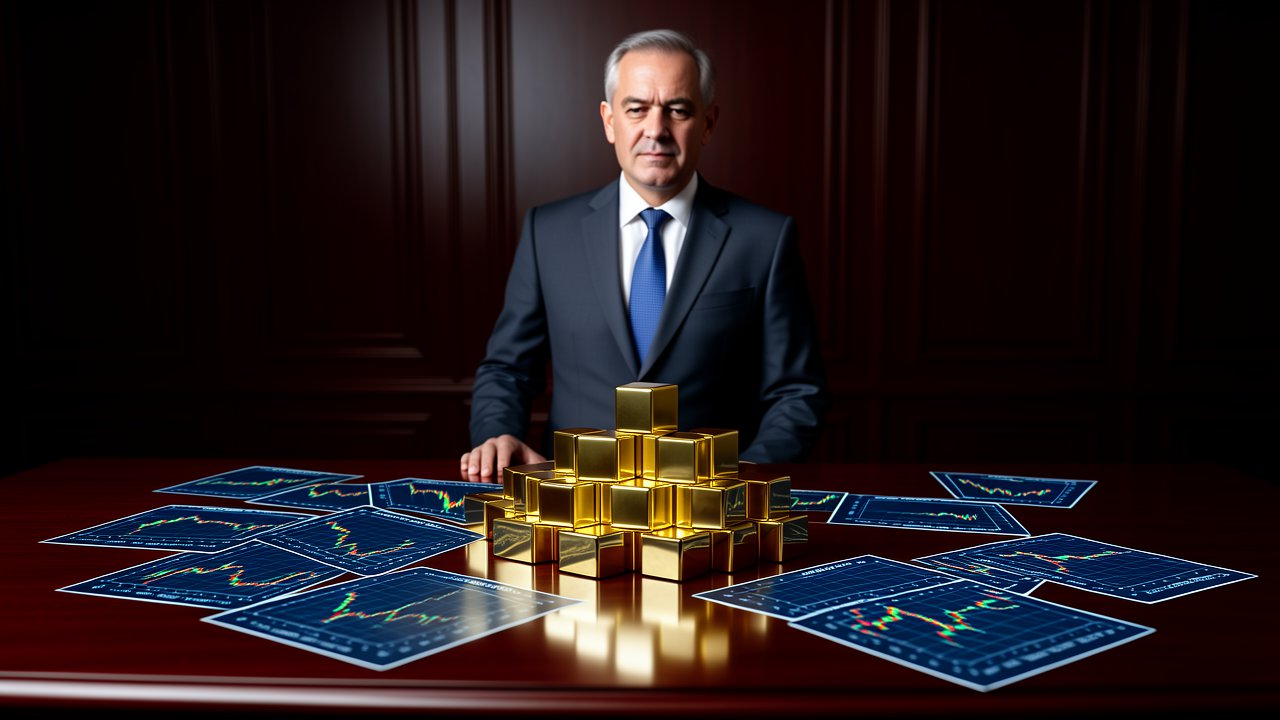
If you've noticed gold and silver prices making big moves lately and wondered how to bring some of that into a simple, low-cost ETF portfolio without the headache of actual metal sitting in a vault somewhere, you're not alone. A precious metal etf gives everyday investors a straightforward way to own exposure to these assets. No bars to store, no insurance bills, no worrying about someone breaking in. Just shares you can buy and sell like any other ETF during market hours.
I've been advising clients on portfolios for over two decades now, and the thing is, these funds have carved out a real role for people who want ballast. Not because they always go up, but because they often behave differently from stocks and bonds when the world gets messy.
What a Precious Metal ETF Actually Holds
Most of the popular ones back their shares with real physical metal sitting in secure vaults. Think audited bars of gold or silver in London or Zurich, checked regularly so the ETF price tracks the spot market minus a tiny fee. Others focus on mining companies instead, giving you leveraged exposure to rising metal prices through the profits (or losses) of the operators. A few mix both or throw in platinum and palladium for a broader basket.
The physical versions tend to move almost in lockstep with the metal price itself. The mining ones can amplify those moves, sometimes dramatically, because a mining company's costs don't rise as fast as the metal when prices spike. But they also carry extra layers of risk like management decisions, labor issues, or rising extraction costs that have nothing to do with the metal itself.
Why Long-Term Investors Bother With Precious Metal ETFs at All
The main appeal has always been diversification and a bit of insurance. Gold in particular has this habit of holding value when confidence in paper money or stocks takes a hit. Silver adds industrial demand on top of that investment angle, thanks to its use in solar panels, electronics, and electric vehicles. Platinum and palladium tie more closely to auto and hydrogen tech.
In a broad ETF portfolio built for decades, even a modest slice can reduce the overall roller-coaster feel. Clients of mine who added a small precious metal etf sleeve back in the 2010s or early 2020s often slept better during the 2022 inflation scare and the later rate-hike volatility. Liquidity is another big plus. You can get in or out fast without negotiating with a coin dealer or arranging armored transport.
Expense ratios on the better ones sit well below 0.5 percent these days, sometimes much lower. That's the kind of cost structure that actually lets the metal price do most of the work over long periods.
The Recent Rally Put Precious Metal ETFs in the Spotlight
Performance over the past year or so has been striking. As of late May 2026 the whole category averaged roughly 45 percent one-year returns, with physical gold and silver funds doing a lot of the heavy lifting. Some silver-focused names posted eye-popping gains during the 2025 surge, and certain gold miner ETFs more than doubled in stretches. Gold itself climbed something like 60-70 percent over rolling twelve-month periods at points, which is rare for such a big asset.
But here's the reality check I always give: that kind of move doesn't happen every year, and it doesn't mean you should suddenly overweight the sector. These are volatile holdings. Drawdowns of 20 or 30 percent have happened before and will happen again. The recent strength came from a mix of inflation worries, geopolitical tension, and shifting currency dynamics. Nice while it lasted, but past results don't dictate the next decade.
A Few Precious Metal ETFs That Keep Showing Up for Good Reason
For plain gold exposure, the SPDR Gold Shares (GLD) remains the giant with well over $150 billion in assets and a 0.40 percent expense ratio. If you want the same metal at lower cost, the SPDR Gold MiniShares (GLDM) version runs at just 0.10 percent. The iShares Gold Trust (IAU) sits in between with about 0.25 percent fees and roughly $70 billion in assets, making it another efficient choice for many portfolios.
Silver investors often look at the iShares Silver Trust (SLV) or the abrdn Physical Silver Shares ETF (SIVR), the latter with a lower 0.30 percent expense ratio. For a one-fund way to own a mix, the abrdn Physical Precious Metals Basket (GLTR) spreads across gold, silver, platinum, and palladium in fixed proportions.
If you want the extra kick (and extra risk) from mining companies, the VanEck Gold Miners ETF (GDX) gives broad exposure to large producers with a 0.51 percent expense ratio and around $27 billion in assets. Sprott also runs a few active and index versions focused on gold and silver miners for those who prefer that angle.
Physical Backed vs Mining Precious Metal ETFs: Different Tools for Different Jobs
The physical ones are simpler and more predictable. You basically get the metal price minus fees, with very little company-specific noise. Mining ETFs can deliver bigger upside when metal prices rise and margins expand, but they can also lag badly if costs spike or production disappoints. In the big 2025 rally, many miner funds outpaced the physical metal itself. In flatter or down periods they sometimes do the opposite.
For most people building a core long-term portfolio, I lean toward the physical versions. They do exactly what they say on the tin without adding layers of operational leverage most investors don't need or want to monitor.
The Risks Nobody Likes to Dwell On
Volatility is the obvious one. These prices move fast and can stay irrational longer than you'd expect. There's no dividend or earnings growth to cushion the ride, so you're purely betting on price appreciation and the hedge characteristics. In taxable accounts they get taxed as collectibles, which means a higher long-term capital gains rate than regular stocks or ETFs.
Opportunity cost matters too. If stocks keep ripping higher for years, a precious metal etf allocation can feel like dead weight. And while fees are low on the best options, they still chip away at returns compared with simply holding the spot metal (which of course brings its own storage and security problems).
Vanguard and Precious Metal Exposure
Vanguard doesn't offer a dedicated precious metal etf. They do run a mutual fund that keeps at least 25 percent in precious metals and mining securities, but if you're sticking strictly to the ETF format for simplicity and low costs, you'll need to look at the names mentioned above or similar funds from other providers.
How I Suggest Clients Actually Use These in Practice
A small allocation, say 5 to 10 percent of the overall portfolio, rebalanced every year or two, tends to do the job without turning the whole thing into a metals bet. Treat it as one diversifying sleeve alongside broad stock ETFs, bond ETFs, and maybe a bit of international or sector exposure. The goal isn't to predict the next gold spike. It's to own a little of something that has historically zigged when other things zagged.
At the end of the day, the calm, data-driven approach still wins. Pick low-cost, liquid precious metal etfs with solid track records, size the position appropriately for your risk tolerance, and let time do the heavy lifting. Time in the market beats timing the market, even when the shiny stuff is having its moment.
