Nuclear Energy ETFs: A Steady Way to Tap Clean Power in Your Portfolio
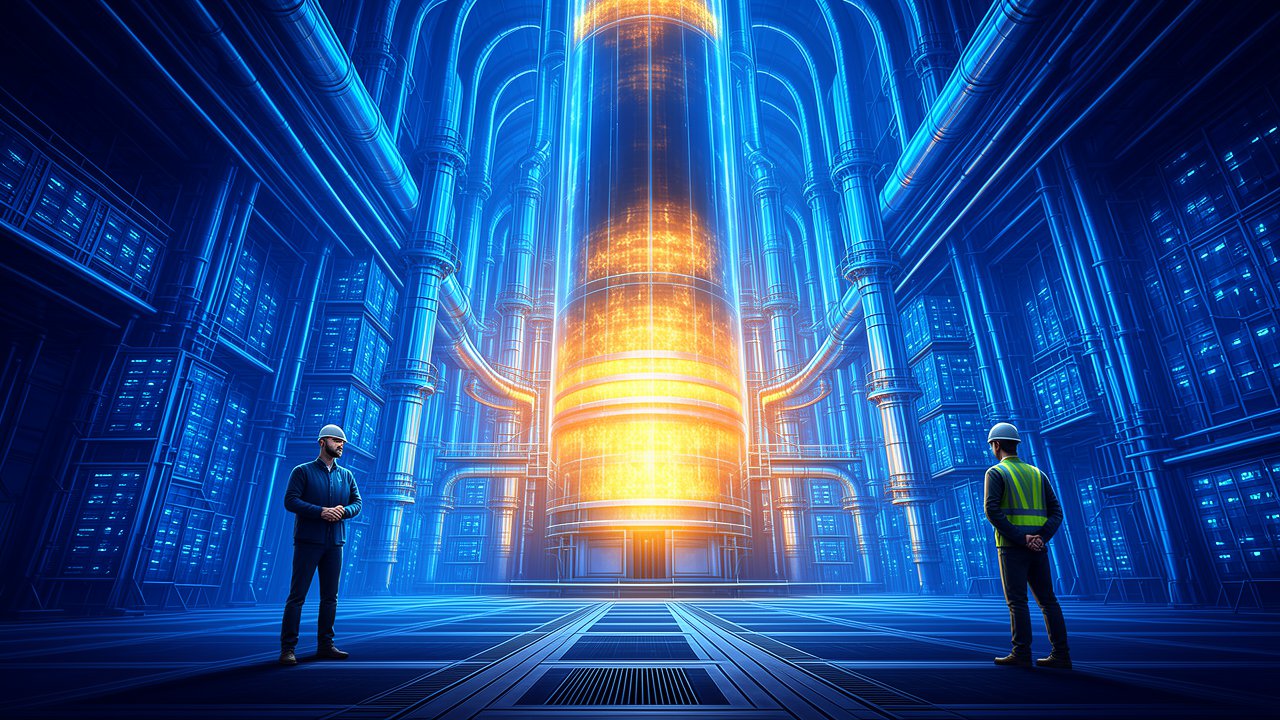
Nuclear energy keeps circling back as an investment theme. Right now the spark comes from something very 2026: AI data centers that never sleep and need massive amounts of reliable, low-carbon electricity. Tech companies are signing big deals for it. That has put nuclear energy etfs back on the radar for people who like thematic exposure without picking individual stocks.
The thing is, these funds give you a basket of companies involved in uranium mining, reactor operations, plant construction, and the whole supply chain. One ticker, broad coverage. No need to chase the next small modular reactor IPO yourself.
What a Nuclear Energy ETF Actually Holds
Most nuclear energy etfs track indexes that blend a few layers of the industry. You get uranium miners and processors, the utilities that actually run the reactors and sell the power, plus engineering firms and equipment suppliers.
The VanEck Uranium and Nuclear ETF (NLR) is the classic broad option for U.S. investors. It follows the MVIS Global Uranium & Nuclear Energy Index and spreads across all of it. As of late May 2026 it held nearly $4.87 billion in assets with a net expense ratio of 0.52 percent. Inception goes all the way back to 2007, so it has lived through more than one cycle.
If you want something more concentrated on the fuel side, the Global X Uranium ETF (URA) tilts heavier toward miners and exploration companies. Its expense ratio sits a bit higher around 0.69 percent, but assets have grown to roughly $7 billion. Both have delivered solid long-term results in periods when uranium sentiment turned positive, though they move differently depending on whether the market is rewarding miners or the power generators.
For investors outside the U.S. or using UCITS wrappers, the WisdomTree Uranium and Nuclear Energy UCITS ETF stands out with one of the lowest expense ratios at 0.45 percent. The larger VanEck Uranium and Nuclear Technologies UCITS ETF has ballooned past 2.2 billion euros in size and posted very strong multi-year numbers through early 2026. A newer iShares version launched in 2025 and remains smaller, so liquidity is thinner for now.
The Real-World Drivers in 2026
Demand is the headline story. AI training and inference chew through electricity at a pace that surprised even the utilities. Meta has lined up multi-gigawatt nuclear agreements. Microsoft restarted a unit at Three Mile Island specifically for its data centers. Amazon and Google have their own arrangements. These are not small pilots. They are serious, long-term contracts for carbon-free baseload power that solar and wind alone cannot fully replace yet.
At the same time, global reactor fleets are getting life extensions, and a handful of new builds plus small modular reactor projects are inching forward. Uranium supply has lagged for years. Primary production sits below replacement levels in many forecasts, and secondary sources have been drawn down. That imbalance keeps the long-term contracting conversation alive, even if spot prices stay volatile.
None of this happens overnight. New nuclear capacity takes a decade or more. Policy support helps in places, but local opposition and regulatory timelines still create friction. The thesis is structural and slow-moving, not a quick trade.
Performance Reality Check
Numbers look exciting on paper. Several UCITS nuclear funds delivered triple-digit gains over three years ending in spring 2026. NLR posted a year-to-date return of about 7.5 percent as of May 28. URA and some of the miner-heavy peers had even larger moves in prior hot stretches, followed by sharp corrections when sentiment cooled.
That pattern repeats. In 2024 some pure uranium miner ETFs dropped more than 40 percent before rebounding. The sector reacts fast to uranium price swings, policy headlines, and broader risk appetite. A nuclear energy etf reduces single-stock blow-ups, but it does not eliminate the thematic volatility. Expect drawdowns. Plan for them.
Risks Worth Staring At
Geopolitics matter. A lot of uranium comes from Kazakhstan, Canada, Australia, and a few African nations. Trade tensions or export restrictions can ripple through prices. Regulatory and construction risk is real too. Plants routinely run over budget and behind schedule. Public opinion can shift after any incident, real or perceived.
New technologies like advanced reactors or fusion sound promising, but most are still years from meaningful commercial scale. If the AI power demand story slows or if cheaper alternatives scale faster, the investment case weakens. These are not defensive holdings. They are cyclical bets on a particular energy narrative.
How I Suggest Placing It in a Portfolio
I keep telling clients the same thing: size it modestly. A 3 to 7 percent allocation feels reasonable for someone who already has broad equity and energy exposure. It adds a distinct driver without dominating the portfolio. Dollar-cost average rather than lump-sum if the valuation feels stretched.
It sits comfortably alongside other long-duration themes like electrification or broader clean energy ETFs. Or it can simply complement a plain total-market fund. Either way, the holding period should be measured in years, not months. The companies in these indexes are not going anywhere fast, and neither should your position if you believe the underlying thesis.
The Bottom Line on Nuclear Energy ETFs
A nuclear energy etf offers clean, convenient exposure to a sector that is structurally important and suddenly getting fresh capital attention from the biggest tech buyers on earth. The options range from broad and battle-tested (NLR) to more focused and lower-cost UCITS versions. Fees are reasonable across the board, assets are growing, and liquidity is decent in the main names.
But it is not magic. The ride will be bumpy. Supply responses will eventually catch up. Execution risk on new projects remains high. Only add it if the long-term energy mix story resonates with you and you can stomach the swings without checking the quote every week.
At the end of the day, time in the market beats timing the market. If nuclear energy etfs fit that patient approach for you, they can be a sensible satellite holding. Do the homework on exact holdings and expense ratios, compare a couple of the leading ones, and size accordingly. The rest is just letting the thesis play out over the next decade or two.
