Coffee ETF: What It Is, How It Works, and Whether It Fits Your Portfolio

If you're hunting for a straightforward way to get exposure to coffee prices inside an ETF wrapper, the landscape is narrower than you might expect. Coffee etf products exist, but they're mostly structured as ETCs or ETNs rather than traditional equity-style ETFs. They track futures on Arabica beans, not the physical commodity sitting in a warehouse somewhere. That distinction matters a lot once you dig into how these things actually behave.
The dominant name you'll run into is WisdomTree Coffee, listed under tickers like COFF on exchanges in London, Milan, and a few others. It aims to deliver total return exposure by tracking the Bloomberg Coffee Subindex. A handful of older U.S.-listed ETNs still trade too — things like iPath's JO and CAFE — but liquidity has thinned and assets under management sit well below $20 million for most of them. So for practical purposes, WisdomTree Coffee is the one most investors actually mean when they type "coffee etf" into a search bar.
How These Products Really Work
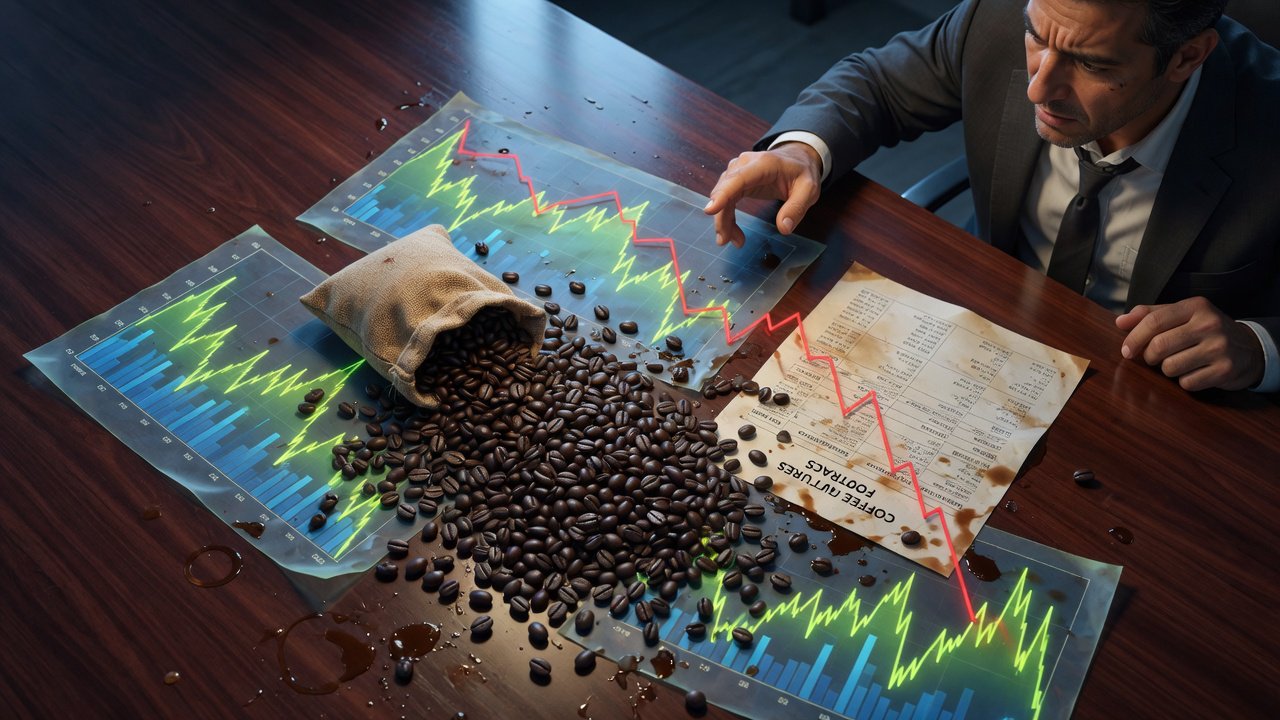
Think of it this way: you can't just buy a bag of beans and hold it in a brokerage account the way you hold shares of a company. Instead, the ETC rolls through coffee futures contracts. The Bloomberg Coffee Subindex follows the front-month contract and rolls it forward each month. That rolling process creates something called roll yield — positive when the market is in backwardation, negative (and often painful) when it's in contango, which coffee futures frequently are.
WisdomTree's version is fully collateralized and UCITS-eligible in Europe, so it sits in a slightly different regulatory bucket than a plain-vanilla U.S. ETF. Expense ratios hover around 0.49% to 0.75% depending on the exact share class. No dividends, no physical delivery, just a daily mark-to-market bet on where coffee futures settle. Simple in concept, slippery in practice once contango starts nibbling away at returns.
The Performance Roller Coaster
Coffee prices don't move in straight lines — they lurch. The numbers tell the story better than any marketing slide.
- 2024 delivered a monster +97% for the WisdomTree Coffee ETC as supply shocks in Brazil and weather issues elsewhere pushed futures higher.
- 2025 cooled things off to roughly +12% to +30% depending on the currency share class.
- Into 2026 the ride turned south: YTD around -20%, with the one-year return sitting near -14% as of late May.
Three-year numbers still look strong at roughly +90%, and five-year at +144%, but those gains came with stomach-churning drawdowns along the way. One bad harvest report or a sudden shift in Brazilian export policy and the price can gap 10-15% in a week. That's normal for this asset class, not an exception.
The Risks Nobody Likes to Talk About
Here's where the calm, analytical side of me kicks in. These aren't set-it-and-forget-it holdings like a broad S&P 500 ETF.
Contango drag is real and persistent for coffee. Issuer or credit risk exists because many of these are notes or collateralized structures rather than true funds. Liquidity can dry up fast on the smaller ones. And then there's the plain old volatility: coffee can be one of the wildest commodities out there because production is concentrated in a handful of countries and demand is pretty inelastic.
Add in currency translation (coffee trades in dollars) and the fact that these products don't generate any income, and you start to see why I treat them as satellite positions at best.
Does a Coffee ETF Belong in a Sensible ETF Portfolio?
For most people building simple, low-cost, long-term portfolios, the honest answer is probably not in any meaningful size. A 1-3% allocation might make sense if you're deliberately tilting toward commodities and already comfortable with the volatility. It can provide a sliver of diversification because coffee prices sometimes move independently of stocks and bonds. But calling it "diversification" when one bad season can wipe out half the position feels generous.
Broader agricultural commodity ETFs like Invesco DB Agriculture (DBA) spread the risk across corn, wheat, soybeans and a small coffee slice. They tend to be smoother and more liquid. Or you could skip the pure-play entirely and just own shares in coffee-related companies — roasters, retailers, equipment makers — though that's equity risk, not pure commodity price risk.
The thing is, coffee demand keeps growing with global population and rising middle classes in Asia. Supply keeps getting hammered by climate issues and aging trees. That long-term tension creates interesting price cycles. But capturing those cycles cleanly through an ETC is harder than it looks on a factsheet.
The Practical Takeaway
If you're already comfortable with commodity exposure and have a small alternatives bucket, the WisdomTree Coffee ETC is the cleanest vehicle available right now for a pure coffee bet. Just size it tiny, rebalance occasionally, and don't let recent headlines (good or bad) push you into oversized positions.
Most investors are better off sticking with broad equity and bond ETFs, maybe a touch of diversified commodity exposure, and enjoying their morning cup without worrying about futures rolls. At the end of the day, time in the market beats timing the market — and that principle applies double when the underlying asset swings as hard as coffee prices do.
